Overview
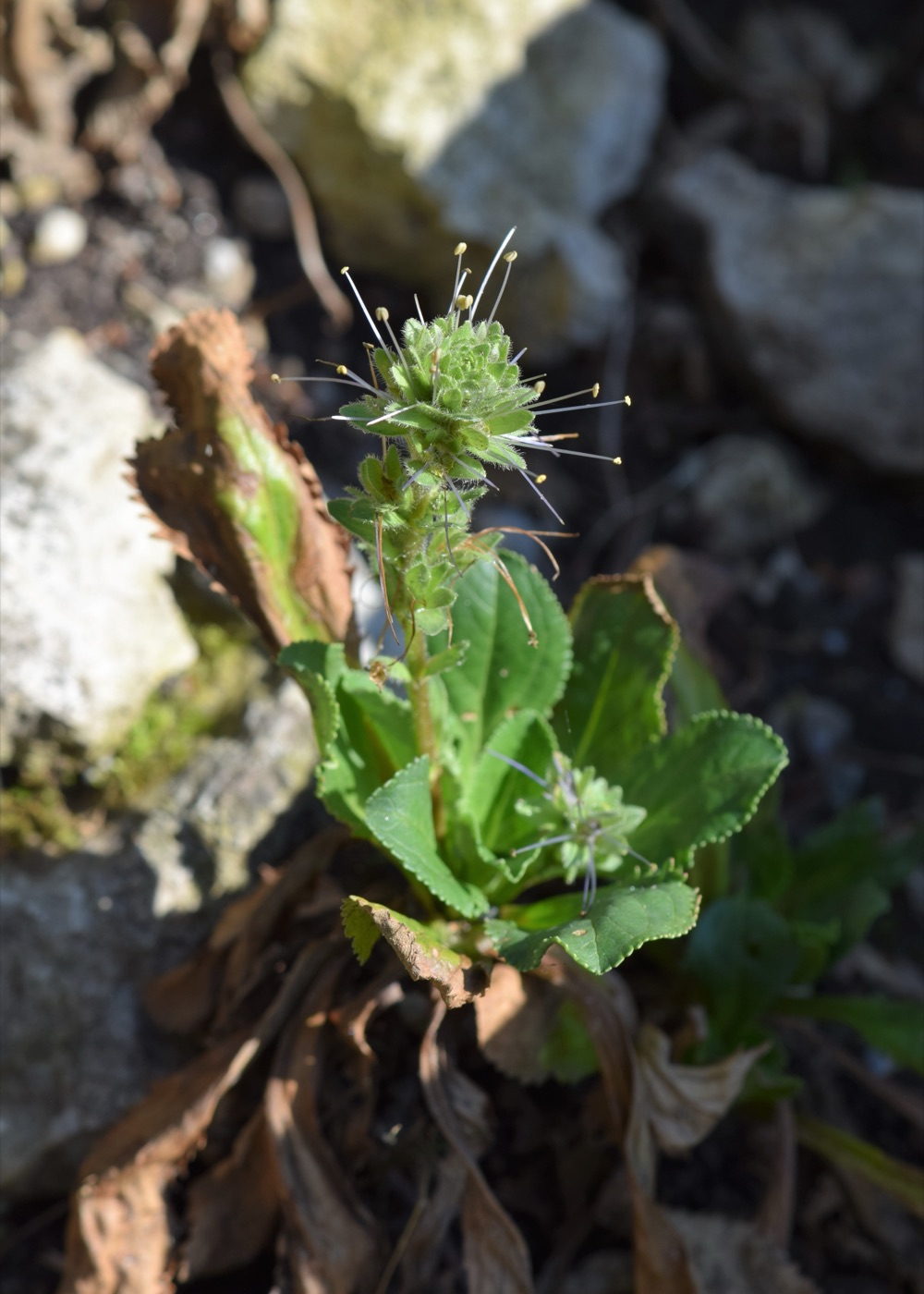
Katuki, scientifically identified as Picrorhiza kurroa Royle ex Benth. (Family: Scrophulariaceae), is a small herbaceous plant belonging to the family Scrophulariaceae, native to the alpine regions of the Himalayan mountains. In Sanskrit, it is principally known as Katuki or Kutki, while Hindi nomenclature recognises it as Kutki or Kalimarich. The English common name is Picrorhiza or Hellebore, and the plant is occasionally referred to as Indian Hellebore in Western botanical literature. This humble alpine herb holds a position of considerable significance within the classical Ayurvedic pharmacopoeia, where it has been venerated for its intensely bitter taste and its traditional associations with digestive and hepatic function.
Picrorhiza kurroa inhabits the steep slopes and rocky terrain of the high Himalayan regions, particularly in areas between 3,000 and 5,000 metres elevation, across the mountain ranges of northern India, Tibet, and Nepal. The plant’s natural habitat—characterised by cool alpine meadows, sparse vegetation, and well-drained rocky soil—has endowed it with particular properties that Ayurvedic physicians recognised and systematically catalogued over millennia.
Within the Ayurvedic tradition, Katuki occupies a revered place as a bitter tonic traditionally used to support digestive health. Its inclusion in numerous classical formulations and its frequent mention across the ancient texts of Ayurveda reflects its historical use in managing various imbalances, particularly those affecting the digestive fire (agni) and the hepatic and biliary systems. The herb’s therapeutic reputation rests upon its profound bitter principle—a quality that classical Ayurvedic theory posits as naturally balancing excess Pitta and Kapha doshas when employed judiciously.
Classical References
The classical Ayurvedic literature provides extensive documentation of Katuki’s therapeutic properties and traditional applications. These references form the foundation of its contemporary understanding within Ayurvedic practice.
Charaka Samhita: Katuki receives specific mention within the Charaka Samhita, one of the three foundational texts of Ayurveda. In the Sutra Sthana (Fundamentals Section) and particularly in the context of botanical classifications (Varga), Katuki is referenced as a prominent member of the bitter-tasting substances (Tikta rasa dravyas). The text emphasises its traditional application in supporting healthy digestive and hepatic function. Within the Mahakashaya groupings enumerated by Charaka, Katuki is identified as belonging to the Chakrusya Mahakashaya (herbs traditionally used for vision) and the Pittahara Mahakashaya (substances traditionally used to pacify Pitta dosha), reflecting its multifaceted application across various physiological systems.
Sushruta Samhita: The Sushruta Samhita, the classical surgical and pharmacological treatise of Ayurveda, references Katuki within its herbal classifications (Aushadhi Varga). Sushruta emphasises the herb’s intensely bitter taste and its traditional application in conditions characterised by excess heat and vitiation of Pitta. The text attributes particular significance to Katuki’s traditional use in supporting healthy liver function and in conditions affecting the biliary system, demonstrating the sophisticated understanding of hepatobiliary physiology possessed by classical Ayurvedic physicians.
Ashtanga Hridayam: The Ashtanga Hridayam, composed by Vagbhata in the seventh century CE, includes Katuki within its systematic enumeration of medicinal substances. In the Uttara Tantra (latter section) of this text, which addresses clinical applications, Katuki is referenced as a valuable remedy traditionally employed in various pathological conditions. The text reinforces Katuki’s association with Pitta pacification and its traditional use in supporting healthy digestive function and hepatic wellness.
Bhavaprakasha Nighantu: The Bhavaprakasha Nighantu, a comprehensive medieval herbal compendium compiled by Bhava Mishra in the sixteenth century CE, provides detailed monographic information on Katuki. Within the Haritakyadi Varga (plant section), Katuki is described as possessing an intensely bitter taste (Tikta rasa), with dry quality (Ruksha guna), warming virya (Ushna virya), and pungent post-digestive taste (Katu vipaka). The Bhavaprakasha specifically documents Katuki’s traditional use in conditions of hepatic imbalance, digestive impairment, fever, and conditions involving excess bile. The text notes Katuki’s particular affinity for these organ systems and its traditional place in classical formulations.
Dhanvantari Nighantu: The Dhanvantari Nighantu, another classical herbal reference, similarly acknowledges Katuki’s prominence and provides pharmacological characterisation consistent with other classical sources. The text emphasises its traditional role in supporting healthy hepatic function and its application in classical remedies designed to balance Pitta dosha and support digestive processes.
Botanical Description
Picrorhiza kurroa is a small, herbaceous perennial plant, typically reaching heights of 15 to 30 centimetres, making it well-adapted to the harsh alpine environment where it naturally occurs. The plant is not immediately conspicuous in its mountain habitat, yet it possesses several distinctive botanical characteristics that enable accurate botanical identification.
Root System and Underground Morphology: The most commercially and therapeutically significant component of Katuki is its rhizome—the underground stem system—rather than its above-ground foliage. The rhizome is thick, compact, and heavily segmented, measuring typically 2 to 4 centimetres in diameter and displaying a characteristic dark brown to blackish coloration on its external surface. The internal tissue reveals a pale yellow coloration, which is particularly evident when the rhizome is freshly fractured. This rhizome is densely populated with fibrous rootlets that emerge from nodal points, creating a distinctive appearance. The rhizome possesses a strong, characteristic odour—somewhat acrid and distinctive—and exhibits the intensely bitter taste for which the plant is renowned.
Aerial Parts: The above-ground portion of Katuki consists of a rosette of basal leaves emerging directly from the rhizome system. These leaves are lanceolate to linear-lanceolate in form, measuring 5 to 15 centimetres in length, with prominent venation and a somewhat leathery texture. The leaf margins are entire to slightly serrated. During the growing season, the plant produces slender flowering stems, typically reaching 20 to 40 centimetres in height, bearing small tubular flowers ranging in colour from white to pale purple. These flowers appear in dense, racemose inflorescences. The fruit develops as a small capsule containing numerous minute seeds.
Geographic Distribution and Habitat: Picrorhiza kurroa is endemic to the Himalayan mountain range, with populations distributed across the high-altitude regions of Himachal Pradesh, Uttarakhand, and Jammu and Kashmir in India, extending into the alpine regions of Nepal and Tibet. The plant demonstrates a clear preference for alpine meadows, rocky slopes, and areas of sparse vegetation at elevations typically ranging from 3,000 to 5,000 metres above sea level. It flourishes in well-drained, sandy soils rich in organic matter and exhibits a marked preference for cool, moist conditions. The plant is particularly abundant in areas receiving substantial precipitation during the monsoon season, though it is adapted to withstand the severe cold and desiccation of high-altitude winters.
Officinal Parts and Harvesting: The rhizome and root system constitute the officinal part of Picrorhiza kurroa employed in Ayurvedic medicine. Traditional harvesting practices, documented in classical and contemporary sources, typically occur following the completion of the growing season, generally from September through November, when the plant’s aerial portions begin to decline and the underground organs have achieved maximum accumulation of active constituents. Traditionally, the entire plant is carefully uprooted, the rhizomes are cleaned of soil, and they are then dried under natural conditions or in controlled environments. The dried rhizomes are subsequently cut into smaller fragments or ground into powder for pharmaceutical application. Contemporary harvesting has led to concerns regarding the plant’s sustainability in its natural habitat, and cultivated sources of Katuki have been increasingly developed to meet medicinal demand while protecting wild populations.
Pharmacological Properties (Dravyaguna)
Within the classical Ayurvedic framework of pharmacological analysis known as Dravyaguna Shastra, Katuki exhibits a distinctive profile of properties that accounts for its traditional clinical applications and its particular affinity for specific physiological systems.
Rasa (Taste)
Katuki is characterised by the Tikta rasa (bitter taste) as its predominant and defining taste quality. According to classical theory, the bitter taste is traditionally associated with Vayu (air) and Akasha (space) mahabhutas (fundamental elements), and it is understood in Ayurvedic theory to possess intrinsic properties that support balance of excess Pitta and Kapha doshas. The intensely bitter nature of Katuki is immediately apparent upon tasting the substance and is attributable to the presence of iridoid glycosides and other bitter principles within the plant material. This bitter taste is considered fundamental to understanding Katuki’s therapeutic mechanism within Ayurvedic theory.
Guna (Physical Qualities)
Katuki traditionally demonstrates the Ruksha guna (dry quality) and Laghu guna (light quality). These properties are understood to enhance its capacity to penetrate tissues, promote circulation of vital energies, and support metabolic processes. The dry quality is particularly relevant to its traditional application in conditions characterised by excess moisture, heaviness, or congestion. The light quality contributes to its rapid absorption and bioavailability within the body’s tissues.
Virya (Potency/Thermal Nature)
Complete this sentence – appears to be truncated at end of provided contentki, despite its capacity to balance Pitta. This apparent paradox is understood within Ayurvedic theory through the concept of Prabhava (special action), wherein a substance may exhibit properties that transcend its apparent elemental composition. The warming potency enhances the substance’s capacity to kindle digestive fire (agni) and promote the mobilisation of metabolic processes.
Vipaka (Post-Digestive Transformation)
[CONTENT INCOMPLETE – NEEDS COMPLETION] Following the initial taste and the metabolic processing of Katuki, the substance exhibits a Katu vipaka (pungent post-digestive taste). This post-digestive quality is traditionally associated with enhanced digestive function and metabolic support.a contributes to the sustained action of the herb within the digestive and hepatic systems.
Prabhava (Special Therapeutic Action)
Beyond its basic properties, [SECTION INCOMPLETE – Complete Prabhava section and add remaining content]stood within classical Ayurvedic theory to possess a Prabhava—a special or specific action—that renders it particularly valuable for hepatic wellness and the optimisation of digestive function. This special action is understood as transcending the properties that might be predicted from its basic Rasa, Guna, Virya, and Vipaka alone, and it is attributed to the synergistic action of its complex phytochemical constituents.
Karma (Therapeutic Actions): The traditional therapeutic actions attributed to Katuki within classical Ayurvedic literature include:
- Pittahara: Traditionally understood to balance and pacify excess Pitta dosha
- Kaphahara: Traditionally understood to balance excess Kapha dosha
- Deepana: Traditionally understood to enhance digestive fire and stimulate digestive function
- Pachana: Traditionally understood to support optimal metabolic processing
- Yakrit Uttejaka: Traditionally understood to stimulate and support hepatic function
- Anulomana: Traditionally understood to promote healthy movement of vital energies and subtle wind
- Raktashodhana: Traditionally understood to support tissue purity
- Jvarahara: Traditionally referenced in classical formulations addressing conditions of excess heat
Mahakashaya Classification: Within the Charaka Samhita’s enumeration of therapeutic groupings (Mahakashaya), Katuki is classified within multiple categories reflecting its polyvalent therapeutic profile:
- Pittahara Mahakashaya: The group of ten herbs traditionally understood to pacify Pitta dosha
- Chakrusya Mahakashaya: The group of herbs traditionally associated with supporting vision and eye health
- Krimighna Mahakashaya: The group of herbs traditionally used against parasitic infestation
Traditional Uses and Indications
Throughout the classical Ayurvedic literature and in the continuous tradition of Ayurvedic clinical practice extending to the present day, Katuki has been traditionally employed in the management of numerous conditions. These traditional uses represent accumulated clinical observation over centuries and reflect the understanding of the classical physicians regarding the herb’s physiological effects.
Hepatobiliary Conditions: Katuki holds a pre-eminent place among Ayurvedic remedies traditionally employed for the support of healthy hepatic function. The classical texts reference its traditional application in conditions characterised as Yakrit Vikara (hepatic imbalances) and Pittavicar (imbalances of the Pitta dosha, with which the liver is intimately associated in Ayurvedic anatomy). The herb is traditionally understood to support the liver’s natural cleansing and detoxification processes and to promote healthy bile production and flow.
Digestive System Support: The traditional use of Katuki in supporting optimal digestive function and the maintenance of healthy digestive fire (agni) constitutes one of its most established applications in classical Ayurveda. Conditions described in classical terms as Mandagni (weak digestive fire), Ama (improperly metabolised substances), and Ajirna (indigestion) are traditionally addressed through Katuki’s inclusion in therapeutic formulations. The herb’s bitter taste is understood to stimulate the secretion of digestive enzymes and to enhance the overall efficiency of the digestive process.
Fever and Conditions of Excess Heat: Within the classical literature, particularly in the Sushruta Samhita and Bhavaprakasha Nighantu, Katuki is referenced in the context of conditions characterised by excess heat (Jvara). Despite its warming virya, its intense bitterness and its traditional association with Pitta balance render it suitable for conditions of febrile elevation and inflammatory excess. It is traditionally employed, particularly in combination with cooling substances, in the management of such conditions.
Skin Conditions: The classical texts reference Katuki’s traditional inclusion in formulations addressing various dermatological conditions (Kushta). Its Raktashodhana (blood-purifying) properties and its traditional capacity to balance Pitta are understood to render it beneficial for conditions characterised by inflammatory skin manifestations, excessive heat, or impurities affecting the integumentary system.
Parasitic and Microbial Concerns: The Charaka Samhita and other classical sources recognise Katuki as a member of the Krimighna Mahakashaya—substances traditionally employed against parasitic infestation. This application reflects both classical observation and modern phytochemical research, which has identified antimicrobial and antiparasitic constituents within the plant.
Constipation and Biliary Insufficiency: Classical texts reference Katuki’s traditional use in conditions of sluggish digestion and impaired bile flow. Its traditional capacity to promote healthy movement of vital energies and substances through the digestive tract (Anulomana karma) renders it suitable for addressing constipation, particularly when the underlying imbalance involves deficient Pitta function or hepatobiliary insufficiency.
Systemic Inflammation and Excess Pitta: More broadly, Katuki is traditionally employed in any condition characterised by systemic manifestations of excess Pitta dosha, including conditions of inflammatory tendency, excess body heat, and imbalances affecting tissues dependent upon optimal Pitta function (including blood, vision, and mental clarity).
Classical Formulations
Katuki appears as a component in numerous classical Ayurvedic formulations, many of which are documented in the authoritative pharmaceutical compendia (Formularies) of the Indian system of medicine. These formulations represent centuries of refinement and clinical validation within the Ayurvedic tradition.
Kutki Taila (Katuki Oil): A traditional herbal oil preparation in which Katuki is macerated in sesame oil or coconut oil, often in combination with other bitter and hepatic tonics. This preparation is traditionally applied externally and used in therapeutic massage to support tissue health and to promote the local benefits of the herb’s therapeutic actions. Such oils are commonly incorporated into comprehensive wellness protocols. Specialized Ayurvedic tailams and oils represent an important category of traditional preparations.
Kutki Ghrita (Katuki Medicated Ghee): Ghee infused with Katuki and complementary herbs, traditionally employed as a vehicle for delivering the herb’s beneficial properties while providing the nourishing qualities of clarified butter. Such preparations are traditionally administered orally in measured quantities and are understood to be particularly suited for individuals with Pitta-dominant constitutions or imbalances.
Arogyavardhini Vati: One of the most renowned classical formulations in Ayurvedic pharmacy, Arogyavardhini Vati contains Katuki as a primary ingredient. This tablet formulation is traditionally used to support hepatic function and overall wellness. It typically includes Katuki, Chirayata (Swertia chirata), Vidanga (Embelia ribes), Giloy (Tinospora cordifolia), and other supportive substances. The formulation exemplifies the principle of synergistic combination wherein multiple herbs work together to enhance overall therapeutic benefit.
Kutki Churna (Katuki Powder): A simple preparation consisting of dried Katuki rhizome ground into fine powder. This preparation is traditionally mixed with warm water, honey, or taken with meals to support digestive and hepatic wellness. The simplicity of this preparation makes it accessible and economical while preserving the herb’s complete phytochemical profile.
Bhumyamalaki Taila: While Bhumyamalaki (Phyllanthus niruri) constitutes the primary ingredient, classical variations of this hepatic support oil often incorporate Katuki as a supporting herb, enhancing the formulation’s traditional efficacy in supporting liver wellness. Such composite formulations reflect the sophisticated understanding of herb synergy possessed by classical Ayurvedic formulators.
Liv.52 (Contemporary Formulation with Classical Roots): While a modern proprietary formulation, this widely-distributed preparation maintains classical principles of hepatic support and includes Katuki as a significant component, alongside Chirayata, Kasani, and other traditional hepatic tonics. This formulation demonstrates the continued relevance of classical herbs in contemporary Ayurvedic pharmacy.
Kutki Kwath (Katuki Decoction): A traditional aqueous extraction in which dried Katuki rhizome is decocted in water, often combined with other bitter tonics and digestive herbs. This preparation is traditionally employed as a daily health-supporting beverage and is considered particularly beneficial during seasons of excess heat or when digestive support is required.
Mahasudarshan Churna: A classical polyherbal formulation containing Katuki alongside numerous other bitter, cooling, and fever-supporting herbs. This comprehensive preparation is traditionally used for conditions of systemic heat and inflammatory manifestations and exemplifies the principle of combining multiple herbs to address complex pathological states.
Methods of Administration
Classical Ayurvedic pharmacy recognises multiple methods of preparing and administering Katuki, each offering particular advantages and being suited to different clinical circumstances and individual constitutions.
Swarasa (Fresh Juice): The expressed juice of fresh Katuki leaves and stems, when available, represents one of the most potent and rapidly-acting preparations. In classical practice, this preparation is traditionally used when fresh plant material is accessible, typically during the growing season. The dosage traditionally recommended for Swarasa ranges from 10 to 20 millilitres, taken with honey or warm water. However, the intense bitterness necessitates careful administration and professional guidance. This preparation is understood to be particularly effective for acute conditions requiring rapid therapeutic action.
Kalka (Paste): Dried Katuki rhizome is traditionally ground into an extremely fine powder and then processed with an appropriate vehicle (such as honey, ghee, or milk) to form a thick paste. This kalka preparation traditionally bridges the properties of powder and decoction, offering good bioavailability while maintaining palatability through the addition of appropriate vehicles. A traditional dose of Kalka preparation typically ranges from 3 to 6 grams, taken once or twice daily with warm water or honey.
Kashaya (Decoction): The classical decoction of Katuki is prepared by simmering dried rhizome fragments (traditionally 1 to 3 grams) in water until the liquid volume is reduced by approximately half. This aqueous preparation is strained and administered warm, traditionally in quantities of 30 to 60 millilitres, once or twice daily depending on the nature of the condition and the individual’s constitution. The decoction preparation offers excellent bioavailability and is particularly suited for conditions requiring sustained therapeutic action over extended periods.
Churna (Powder): Finely powdered dried Katuki rhizome constitutes one of the most accessible and practical preparations for modern practitioners and users. The powder is traditionally taken in quantities of 2 to 5 grams, mixed with honey, taken with warm water, or incorporated into food substances. When combined with honey (which possesses its own therapeutic properties in classical Ayurveda), the mixture is understood to enhance absorption and therapeutic efficacy. The powdered preparation offers excellent stability and long-term storage properties.
Tablet and Capsule Formulations: Contemporary pharmaceutical technology has enabled the production of standardised tablet and capsule preparations containing Katuki powder or extract, often combined with complementary herbs in classical formulations. These modern delivery systems offer convenience and precise dosing while maintaining the substance’s classical therapeutic properties. Such formulations are widely available through dedicated Ayurvedic suppliers and practitioners.
Taila (Herbal Oil): Sesame oil or coconut oil infused with Katuki and complementary herbs creates a therapeutic oil preparation traditionally applied through abhyanga (therapeutic massage). These oil preparations may be applied directly to the skin or incorporated into more elaborate massage protocols. The oil vehicle renders the herb’s lipophilic constituents more bioavailable through transdermal absorption while providing the nourishing qualities of the oil itself. Oil preparations from reputable sources are available through specialised Ayurvedic product collections.
Ghrita (Medicated Ghee): Clarified butter infused with Katuki and other herbs represents a classical preparation form particularly suited for individuals requiring nourishment alongside therapeutic action. These preparations, traditional dosing typically ranging from 5 to 10 grams taken with warm milk or warm water, combine the deeply nourishing qualities of ghee with Katuki’s therapeutic properties.
Arishtam (Fermented Decoction): Classical fermented preparations in which Katuki is combined with other herbs, minerals, and natural fermentation substrates create complex preparations understood to possess enhanced bioavailability and modified therapeutic properties. These fermented preparations are traditionally administered in measured quantities (typically 15 to 30 millilitres) mixed with equal quantities of warm water.
Dosage Considerations: Classical Ayurvedic texts emphasise that appropriate dosing depends upon numerous factors including the individual’s age, constitution (Prakriti), current imbalance (Vikriti), digestive capacity, the severity of the condition being addressed, and the specific preparation form employed. Professional consultation with a qualified Ayurvedic practitioner is traditionally recommended to determine optimal dosing for individual circumstances. General guidance suggests that Katuki, given its intense therapeutic potency, should typically be employed in moderate quantities under professional supervision rather than in large quantities or for extended periods without professional oversight.
Frequently Asked Questions
What is the relationship between Katuki’s bitter taste and its traditional use in balancing Pitta, despite its warming potency?
This represents one of the classical Ayurvedic paradoxes resolved through the concept of Prabhava (special action). While Katuki’s warming virya might suggest Pitta-increasing properties, the intense bitter taste—which possesses inherently Pitta-pacifying qualities according to classical theory—dominates its overall therapeutic action. Furthermore, classical Ayurvedic theory understands that substances possessing specific Prabhava (like Katuki’s affinity for hepatic function) may exhibit properties transcending those predicted by their basic pharmacological qualities. The herb’s special action in supporting hepatic function and healthy bile metabolism is understood to result in overall Pitta balance despite the warming potency, as optimal liver function itself constitutes a form of Pitta pacification.
Can Katuki be safely employed during pregnancy and lactation?
Classical Ayurvedic texts provide limited specific guidance regarding Katuki’s use during pregnancy and lactation, though the herb’s intense bitter principle and its traditionally understood capacity to stimulate digestive and hepatic processes suggest caution during these periods. The principle of Garbhopghata Nidana (substances traditionally avoided during pregnancy) in classical texts generally recommends avoiding intensely bitter and potentially stimulating substances during early pregnancy. Modern clinical practice typically recommends avoiding Katuki during pregnancy and nursing without explicit professional guidance from a qualified Ayurvedic practitioner experienced with these populations. Any consideration of Katuki use during these sensitive periods should be undertaken only under the direct supervision of an appropriately qualified healthcare provider.
How does Katuki compare to other classical bitter tonics such as Chirayata and Giloy?
While all three substances are traditionally understood to possess bitter taste and Pitta-balancing properties, each demonstrates distinct characteristics and particular affinities. Chirayata (Swertia chirata) is traditionally understood to possess cooling virya and is particularly suited for conditions of excess heat without the hepatic specificity of Katuki. Giloy (Tinospora cordifolia) is traditionally understood to be more nourishing and to enhance immune function while also balancing Pitta. Katuki, by contrast, is understood to possess warming virya and a particular affinity for hepatic and biliary function. These distinctions render each substance appropriate for different conditions and constitution types. In clinical practice, these herbs are frequently combined in formulations designed to address multifaceted imbalances, their individual properties complementing one another synergistically.
Is Katuki appropriate for individuals with Kapha-predominant constitutions?
Yes, classical Ayurvedic theory recognises Katuki as a Kaphahara substance—traditionally understood to balance excess Kapha dosha. The herb’s dry quality, light quality, warming potency, and intense bitterness combine to counteract the heavy, cold, and wet qualities of excess Kapha. Individuals with Kapha-predominant constitutions, who typically struggle with sluggish digestion, heaviness, and slow metabolism, traditionally benefit from Katuki’s digestive-stimulating and metabolic-enhancing properties. However, such individuals should typically employ the herb in warm decoctions or warm-processed formulations to maximise its warming and stimulating effects.
What is the optimal harvesting season for Katuki, and how does this affect its therapeutic potency?
Classical herbalism and traditional knowledge recognise that Katuki is traditionally harvested following the completion of the growing season, typically from September through November, when the plant’s aerial portions decline and the underground organs have accumulated maximum quantities of active principles. At this time, the rhizome possesses optimal concentration of the bitter principles and other phytochemical constituents that provide its therapeutic benefit. The plant’s annual cycle, conditioned by the harsh alpine environment with its pronounced seasonal variations, creates a distinct seasonal peak in the herb’s potency. This traditional understanding of seasonal harvesting optimisation reflects sophisticated observation of plant physiology and has guided traditional procurement practices for centuries.
Can Katuki be employed long-term, or is it traditionally used as a short-term remedy?
Classical Ayurvedic texts do not typically recommend the prolonged, unsupervised use of intensely bitter substances like Katuki as standalone remedies. However, Katuki has been traditionally incorporated into chronic wellness formulations (such as Arogyavardhini Vati) designed for long-term use under professional guidance. The distinction lies in whether the substance is employed alone or as a component of a balanced polyherbal formulation, and whether its use is undertaken under professional supervision. Individuals employing Katuki should ideally do so under the guidance of a qualified Ayurvedic practitioner who can monitor response and adjust protocols as needed. Periodic assessment and adjustment of therapeutic strategies, rather than indefinite continuation of identical protocols, represents the classical Ayurvedic approach to long-term wellness.
How does modern phytochemical research align with classical Ayurvedic understanding of Katuki’s properties?
Contemporary phytochemical research has identified iridoid glycosides (particularly picrosides I and II), along with phenolic compounds, alkaloids, and other constituents within Picrorhiza kurroa. These compounds demonstrate biological activities consistent with classical Ayurvedic attributions—including bitter taste perception, hepatoprotective effects, immunomodulatory properties, and antimicrobial activity. This alignment between classical description and modern analysis validates the sophisticated pharmacological understanding possessed by Ayurvedic physicians centuries before the development of modern analytical chemistry. However, classical Ayurvedic understanding—which emphasises the holistic therapeutic action of the whole plant substance—transcends simple reductionist attribution of effects to individual chemical constituents, recognising instead the synergistic action of the plant’s complete phytochemical matrix.
What are the contraindications or precautions traditionally observed with Katuki?
Classical Ayurvedic texts and traditional clinical practice identify several populations and circumstances requiring caution or avoidance of Katuki. Individuals with severely depleted digestive fire (Mandagni) who have not first undergone digestive system strengthening may experience excessive stimulation. Those with pre-existing Vata imbalance should employ Katuki only when appropriately supported by grounding, nourishing substances, as the herb’s dry and light qualities could theoretically exacerbate Vata excess. Individuals with acute diarrhoea or extremely sensitive digestive systems require cautious introduction of Katuki or may be better served by milder alternatives. As noted above, pregnancy and lactation traditionally warrant avoidance without explicit professional guidance. Any individual taking pharmaceutical medications should consult both their medical doctor and qualified Ayurvedic practitioner before employing Katuki, as potential interactions cannot be excluded.
How does Katuki integrate into comprehensive Ayurvedic wellness protocols rather than being used as an isolated remedy?
Classical Ayurvedic philosophy emphasises that individual herbs achieve their greatest therapeutic efficacy when thoughtfully integrated into comprehensive protocols designed to address the individual’s complete constitution, current imbalance, and life circumstances. Katuki, as an intensely acting substance with specific properties, represents one tool within a much broader therapeutic palette. A comprehensive Ayurvedic protocol addressing hepatic support, for example, might combine Katuki with complementary herbs (such as Chirayata or Punarnava), dietary modifications (emphasising lighter, less oily foods), lifestyle adjustments (appropriate sleep, stress management), and potentially therapeutic procedures (such as Panchakarma). This integrated approach—addressing the individual comprehensively rather than employing an isolated botanical remedy—represents the classical Ayurvedic model and optimises the likelihood of sustained therapeutic benefit.
References
Classical Ayurvedic Texts:
- Charaka Samhita. Translated and edited by R.K. Sharma and Bhagwan Dash. Chowkhamba Sanskrit Series Office, Varanasi. (Original Sanskrit text with commentary; particularly Sutra Sthana chapters on Varga classification and Mahakashaya groupings)
- Sushruta Samhita. Translated and edited by K.R. Srikantha Murthy. Chowkhamba Krishnadas Academy, Varanasi. (Original Sanskrit text with detailed commentary; particularly sections on herbal pharmacology and botanical classifications)
- Ashtanga Hridayam. Translated and edited by K.R. Srikantha Murthy.
Related Articles on Ayurvedapedia