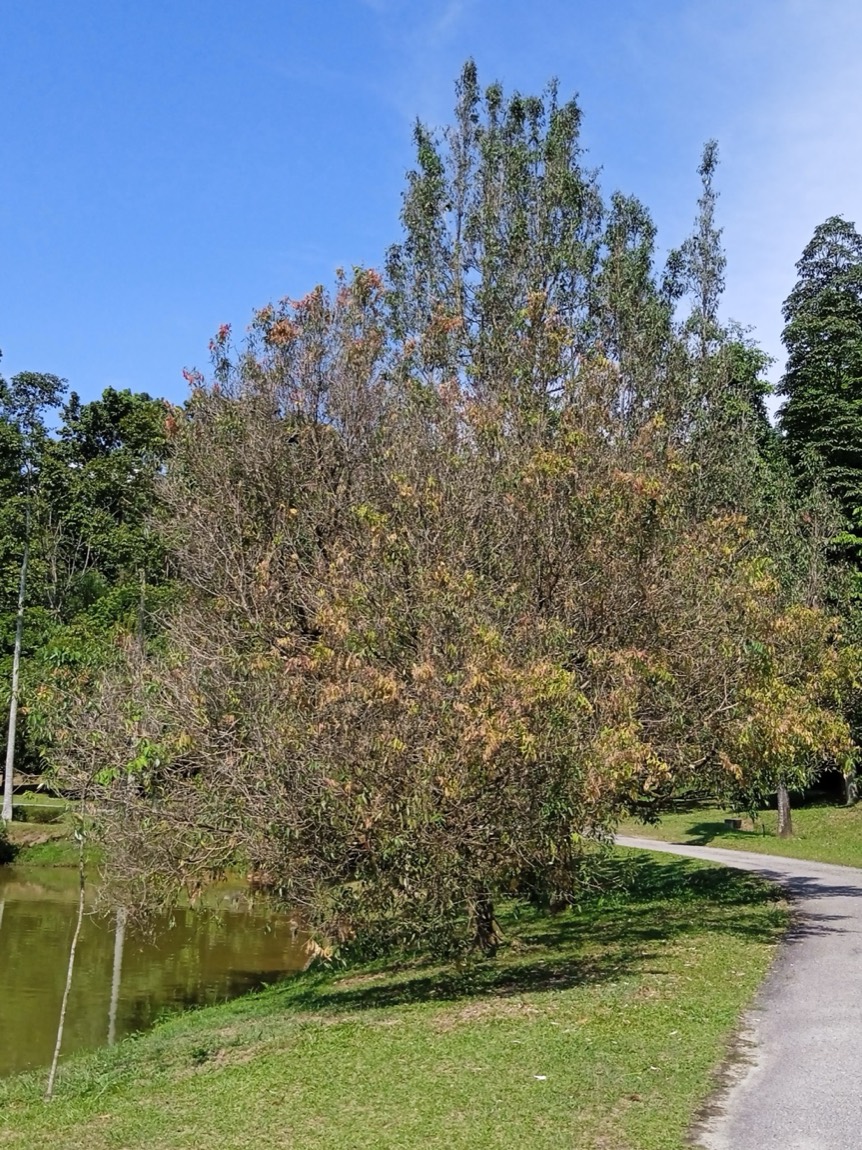
Nagkesara (Mesua ferrea) — Ayurvedic Herb Profile

Overview

Nagkesara, scientifically known as Mesua ferrea L. (Calophyllaceae), is a flowering tree of significant importance in Ayurvedic pharmacology and traditional Indian medicine systems. Belonging to the family Calophyllaceae (formerly classified under Guttiferae), this evergreen tree is revered throughout the Indian subcontinent for its therapeutic applications in classical Ayurvedic texts and contemporary practice.

The name "Nagkesara" derives from Sanskrit, where "Nag" refers to serpent (or sometimes excellence/nobility) and "Kesara" denotes filament or stamens, referencing the distinctive stamen structure characteristic of the flower. In regional nomenclature, it is known as Nagesar or Nageswar in Hindi, Mesua in Bengali, and retains the Latinized name Mesua ferrea in scientific literature. The term “ferrea” (meaning iron-like) references the hardness and durability of its timber.

Distributed across the Indian peninsula, Sri Lanka, and Myanmar, Nagkesara flourishes in tropical and subtropical climates, particularly in coastal and Western Ghats regions. Its golden flowers, which bloom seasonally, have rendered it botanically and culturally significant across South Asia. In Ayurvedic tradition, the flowers, seeds, oil, and resin of Nagkesara have been systematically documented for their distinctive therapeutic properties, particularly traditionally believed to support conditions characterized by excess Pitta and Rakta according to Ayurvedic principles.

Classical References

The classical Ayurvedic texts provide substantial documentation of Nagkesara’s pharmacological profile and traditional applications. These references form the foundational basis for understanding this herb’s place within the traditional materia medica.

Charaka Samhita — According to classical texts, Charaka Samhita references Nagkesara in the Sutra Sthana among herbs traditionally associated with Rakta-prasadana (blood-regulating) properties. Charaka systematically categorizes it within the Varnya Mahakashaya (group of ten herbs traditionally believed to support skin complexion and clarity), alongside herbs such as Manjishtha and Lodhra. The text emphasizes Nagkesara’s particular utility in conditions where contaminated Rakta dhatu manifests through cutaneous manifestations.

Sushruta Samhita — The Sutra Sthana of Sushruta’s compilation provides detailed reference to Nagkesara in the context of Pittaja vikaras (Pitta-predominant disorders). According to Sushruta Samhita, the flower is traditionally used in formulations to support excessive Pitta conditions and promote thermal balance according to classical Ayurvedic texts. The Uttara Tantra section contains references to its application in gynecological conditions and fever management, positioning Nagkesara as traditionally used for its cooling properties and in formulations addressing bleeding patterns.

Ashtanga Hridayam — Vagbhata’s classical synthesis includes Nagkesara in the Uttara Tantra’s discussion of Raktapitta (bleeding disorders), where it is traditionally used in formulations to support healthy bleeding patterns and Rakta dhatu integrity. The text underscores its cooling virya and Pitta-pacifying effects.

Bhavaprakasha Nighantu — This medieval Ayurvedic lexicon provides comprehensive description of Nagkesara, classifying it within the Upavisha (supplementary poison/toxic herbs) category initially, later recognizing its therapeutic utility when properly processed. The Nighantu describes the herb’s rasa, guna, and traditional applications, emphasizing its antipyretic and blood-regulating properties.

Dhanvantari Nighantu — This classical formulary explicitly includes Nagkesara in several compound formulations, particularly those addressing fever, skin conditions, and hemorrhagic tendencies. It emphasizes the flower’s superiority over other plant parts in therapeutic application.

Botanical Description

Mesua ferrea L. is an evergreen, medium to tall tree, typically reaching heights of 10-15 meters in cultivated conditions, though wild specimens may attain greater stature. The plant exhibits characteristic features that facilitate its botanical identification and differentiation from allied species.

Morphological Characteristics: The stem is erect with dark, deeply fissured bark exhibiting a grayish-brown coloration. The wood is notably hard and durable, from which derives the species designation “ferrea.” Leaves are opposite, simple, lanceolate to oblong-lanceolate, with dimensions ranging from 8-20 cm in length and 3-6 cm in breadth. The leaf surface displays a distinctive glossy appearance with prominent midrib and lateral veins, while the undersurface appears paler with visible venation.

The flowers, which constitute the primary therapeutically utilized organ, are characteristically fragrant, solitary or paired, appearing terminally or axillarily. Individual flowers measure approximately 5-7 cm in diameter, displaying five white or pale yellow petals arranged in a regular pattern. The stamens are numerous, golden-yellow in coloration, and densely aggregated in the flower’s center—this stamen mass forms the botanical basis for the Sanskrit nomenclature. The fragrance is sweet and penetrating, intensifying during early morning and evening hours.

The fruit develops as a single-chambered capsule, approximately 3-5 cm in diameter, containing a single large seed. The seed possesses an oily cotyledon rich in fixed oils, which constitutes another therapeutically valuable plant fraction.

Distribution and Habitat: Nagkesara exhibits preferential growth in tropical and subtropical zones, demonstrating particular abundance along India’s Western Ghats, coastal regions of Kerala and Karnataka, and throughout the northeastern states. The plant thrives in well-drained, fertile soils with adequate moisture, typically occurring in mixed deciduous and evergreen forests at elevations up to 2,000 meters. Geographical distribution extends to Sri Lanka, Myanmar, and Thailand, where local traditional medicine systems similarly recognize its therapeutic value.

Officinal Parts and Harvesting: Classical Ayurvedic texts recognize multiple plant fractions as therapeutically relevant. The flowers (Pushpa) represent the primary officinal part, harvested during the blooming season which typically extends from March to May in most growing regions. The flowers are traditionally collected in early morning hours when fragrance concentration peaks and before the flowers have fully exposed to direct sunlight, which may compromise volatile constituent integrity.

Secondary officinal parts include the seeds (Beeja) and the oil expressed from seeds (Taila). The resinous exudation (Ras) and bark represent additional traditional preparations, though flowers remain the most frequently employed botanical fraction. Traditional harvesting protocols emphasize hand-collection to prevent bruising and immediate processing or drying to preserve bioactive constituents.

Pharmacological Properties (Dravyaguna)

The Dravyaguna framework represents the classical Ayurvedic approach to understanding a substance’s pharmacological nature through systematic analysis of fundamental properties. Nagkesara exemplifies this methodology through its distinctive pharmacological signature.

Rasa (Taste)

Nagkesara is traditionally described as possessing Tikta (bitter) and Kashaya (astringent) rasas with secondary Madhura (sweet) components. This multi-rasa composition reflects the complex phytochemical constituency, wherein alkaloids and phenolic compounds contribute bitterness, tannins provide astringency, and volatile compounds may impart subtle sweetness. The predominance of Tikta-Kashaya rasas classically positions this herb as Pitta-reducing and Rakta-regulating.

Guna (Physical Properties)

Nagkesara exhibits Laghu (light) and Ruksha (dry) gunas, with some classical references acknowledging subtle Snigdha (unctuous) characteristics attributable to seed oil content. The Laghu-Ruksha combination facilitates rapid absorption and penetration through tissue planes, supporting the herb’s traditional application in conditions where systemic toxicity or excessive Pitta requires mitigation.

Virya (Potency/Thermal Action)

This herb is unambiguously classified as Sheeta virya (cooling in potency), a property foundational to its traditional use in Pitta vitiation and hemorrhagic conditions. The cooling nature operates at both the enzymatic and systemic levels, counteracting excessive metabolic heat and inflammatory processes. This cooling virya distinguishes Nagkesara from many warming cardiovascular herbs, rendering it particularly valuable in contexts where therapeutic cooling is indicated.

Vipaka (Post-Digestive Effect)

Nagkesara demonstrates Katu vipaka (pungent post-digestive transformation), indicating that despite initial bitter-astringent taste presentation, the herb’s metabolic transformation yields warming effects at the tissue level. This apparent paradox—cooling virya coupled with Katu vipaka—reflects the sophisticated understanding of temporal dynamics in Ayurvedic pharmacology, wherein initial and ultimate effects may differ substantially.

Prabhava (Specific Action)

Beyond the standard property analysis, Nagkesara demonstrates distinctive Prabhava (specific efficacy) in Rakta-pitta management and hemostasis that cannot be fully attributed to its component properties alone. This specific action reflects the herb’s unique phytochemical constellation, particularly volatile oils and specialized alkaloids that exert hemostatic and antipruritic effects exceeding theoretical prediction from standard properties.

Karma (Traditional Therapeutic Actions): The classical Ayurvedic literature ascribes multiple karmas to Nagkesara, including:

  • Pittahara: Traditionally believed to support Pitta balance and systemic Pitta management
  • Rakta-prasadana: Blood-purifying and blood-regulating effects
  • Stambhana: Astringent and hemostatic action, arresting excessive bleeding
  • Jvaraghna: Traditionally used in formulations for fever management, particularly in conditions associated with excess Pitta
  • Varnya: Complexion-promoting and skin-beautifying effects
  • Raktashodhaka: Blood-detoxifying action, removing accumulated toxins from Rakta dhatu
  • Kandu-ghna: Pruritus-relieving properties in cutaneous manifestations
  • Vishaghna: Toxin-mitigating effects, particularly regarding Pitta-based toxins

Mahakashaya Classification: According to Charaka Samhita’s Sutra Sthana, Nagkesara is enumerated as one of the Varnya Mahakashaya—the classical group of ten herbs traditionally described as promoting skin clarity, complexion, and luminosity. This classification positions it alongside Manjishtha, Lodhra, Padmaka, and related herbs recognized for their cumulative effects on tissue quality and dermal manifestations. The Varnya classification reflects understanding of this herb’s particular affinity for skin tissue and blood tissue integration.

Traditional Uses and Indications

Classical Ayurvedic texts document Nagkesara’s application across diverse pathological states, though all share the common thread of Pitta vitiation and/or Rakta dhatu disturbance. The following represents a synthesis of traditional indications as preserved in foundational texts:

Raktapitta (Hemorrhagic Disorders): This represents perhaps the most prominent classical indication, wherein Nagkesara serves as a primary therapeutic agent. Raktapitta encompasses spontaneous bleeding from various orifices—epistaxis, hemoptysis, hematuria, or excessive menstrual bleeding—all traditionally understood as resulting from Pitta’s heating effect on Rakta dhatu, compromising vessel integrity. Nagkesara’s combined cooling virya and stambhana karma render it particularly suitable for this condition presentation.

Pittaja Jvara (Pitta-type Fever): Fevers characterized by burning sensations, thirst, and inflammatory markers traditionally respond to Nagkesara. The herb’s cooling virya addresses the underlying heat excess while its bitter constituents support hepatic function and systemic temperature regulation. Classical texts distinguish this application from other fever presentations requiring different therapeutic approaches.

Kandu (Pruritus): Itching conditions, particularly those accompanied by burning sensations and inflammatory skin changes, constitute traditional Nagkesara applications. The herb’s cooling nature and specific anti-pruritic prabhava address this distressing symptom presentation. Dermatological conditions characterized by Pitta vitiation—such as urticaria, vesiculation, or burning erythema—respond traditionally to this herb.

Kustha (Skin Diseases): Broader classification of skin conditions, particularly those with inflammatory, hemorrhagic, or burning components, are traditionally addressed through Nagkesara incorporation. The Varnya classification directly addresses this application, recognizing the herb’s tissue-specific affinity and complexion-promoting effects.

Raktavikara (Blood Disorders): Beyond hemorrhagic manifestations, conditions arising from generalized blood tissue disturbance—impurity, vitiation, or compromised quality—traditionally respond to Nagkesara’s blood-purifying properties. This extends to conditions modern medicine might classify as certain hematological disturbances or inflammatory conditions with hematological components.

Asrigdara (Abnormal Uterine Bleeding): Sushruta Samhita specifically recommends Nagkesara in formulations addressing excessive or abnormal menstrual bleeding, classified under Asrigdara. The herb’s hemostatic and Pitta-reducing properties address both the symptom presentation and underlying pathophysiological mechanism.

Pittaja Prameha (Pitta-type Metabolic Disorder): Certain Prameha presentations with Pitta predominance—characterized by excessive thirst, burning sensations, and inflammatory marker elevation—traditionally incorporate Nagkesara as supportive therapy, though not as primary agent.

Netra-roga (Ocular Conditions): Certain traditional formulations incorporate Nagkesara in ophthalmological preparations, particularly those addressing inflammatory eye conditions with burning sensations or conjunctival erythema. The flower’s cooling properties and optical tissue affinity support these applications.

Classical Formulations

Ayurvedic pharmaceutical tradition has systematized Nagkesara into numerous classical preparations, each designed for specific therapeutic contexts and administration routes. The following represents established formulations documented in classical texts and traditional practitioner manuals:

Nagkesara Taila: This oil-based preparation features Nagkesara flowers as the primary medicinal ingredient, processed with coconut or sesame oil base and traditionally refined through specific heating protocols. Used in abhyanga (therapeutic oil massage) and as vehicle for dermal application, this preparation addresses inflammatory skin conditions and promotes complexion quality. The formulation appears in various classical texts with modifications reflecting regional tradition.

Chandanadi Taila: A multi-herbal tailam formulation wherein Nagkesara combines with Chandana (sandalwood), Padmaka, and supplementary cooling agents. This preparation addresses inflammatory dermal conditions, pruritus, and burning sensations. The combination demonstrates synergistic cooling effects appropriate for Pitta-predominant presentations.

Nagkesara Churna: The dried flowers are processed into fine powder form, traditionally used in dosages of 3-6 grams with appropriate anupana (vehicle), administered for systemic Pitta reduction and blood regulation. The churna form facilitates rapid absorption and systemic distribution of volatile constituents.

Manjishthadi Taila: A comprehensive blood-purifying oil formulation wherein Nagkesara appears among supporting ingredients alongside primary components Manjishtha and Lodhra. This preparation addresses chronic blood tissue disturbances with cutaneous manifestations.

Nagkesara Kashaya: A decoction preparation wherein Nagkesara flowers are simmered with specified quantities of water, then strained and administered. This preparation maximizes extraction of aqueous-soluble constituents and is traditionally used in acute presentations requiring rapid therapeutic effect.

Jatyadi Taila: While a more complex formulation, this classical preparation includes Nagkesara among its constituents for wound management and inflammatory dermal conditions. The synergistic combination provides simultaneous cooling, antimicrobial, and tissue-regenerative effects.

Sukumara Taila: Though primarily recognized for gynecological applications, this classical formulation incorporates Nagkesara specifically to address the Pitta component in certain menstrual disturbances, particularly excessive bleeding presentations.

Pittakulantaka Rasa: A mineral-herbal formulation wherein Nagkesara flowers appear among supporting herbal components in a Pitta-reducing rasayana preparation, traditionally used in chronic inflammatory conditions with blood tissue involvement.

Brahmi Taila: While Brahmi dominates this classical formulation, variant preparations incorporate Nagkesara to enhance cooling properties and address concurrent cutaneous manifestations in neurological conditions presenting with inflammatory components.

Kumkumadi Taila: One of the most celebrated formulations in classical Ayurvedic dermatology, this sophisticated preparation includes Nagkesara among its precious ingredients (alongside saffron, sandalwood, and other choice botanicals). The formulation traditionally addresses facial skin conditions, pigmentation, and complexion enhancement, with Nagkesara providing cooling and blood-regulating effects.

Methods of Administration

Ayurvedic pharmaceutical science recognizes multiple preparation methodologies and administration routes, each suited to particular therapeutic contexts and pathological presentations. Nagkesara demonstrates versatility across these traditional administration methods.

Swarasa (Fresh Juice): The fresh flowers, when available seasonally, may be processed through trituration and juice extraction, yielding concentrated liquid preparation. Traditional dosing ranges from 10-20 mL administered with honey or warm water, typically once or twice daily in acute presentations. The fresh juice form preserves volatile components maximally, though seasonal availability and short shelf-life limit practical application in contemporary practice.

Kalka (Paste): Dried flowers are ground to fine consistency and mixed with appropriate vehicle (honey, ghee, or water) to form paste consistency suitable for both internal administration and topical application. As internal preparation, 3-6 grams mixed with honey constitutes traditional dosing; as external application, the paste is applied directly to affected skin areas and allowed to dry before washing. The kalka form provides intermediate concentration between fresh juice and dried powder.

Kashaya (Decoction): Dried flowers are subjected to water decoction via established protocols—typically 1 part herb to 4 parts water, reduced by half through gentle heating, then strained. Traditional dosing comprises 40-60 mL administered twice daily before meals. The kashaya form maximizes extraction of aqueous-soluble constituents and is particularly indicated in acute conditions requiring rapid systemic effects. This method suits both fever presentations and acute hemorrhagic manifestations.

Churna (Powder): Completely dried flowers are ground to fine powder consistency and stored in appropriate containers for extended preservation. Traditional dosing spans 3-6 grams, typically administered with honey, warm water, or ghee as anupana twice daily. The churna form provides convenience, extended shelf-life, and standardized dosing suitable for chronic conditions requiring prolonged administration. Combination with other herbs in churna form facilitates creation of synergistic formulations.

Taila (Oil): Flowers are processed into oil preparations through traditional methods—either through direct maceration wherein dried flowers are steeped in heated oil base for specified periods, or through more sophisticated processing involving repeated decoction cycles. The resulting oil is used for abhyanga (therapeutic massage), external dermal application, or sometimes as vehicle for internal preparations. Dosing for internal use via oil vehicle ranges from 3-5 mL with warm milk or water.

Ghrita (Clarified Butter): Similar to oil processing, Nagkesara flowers may be processed into ghrita preparations through infusion and cooking cycles. The resulting ghrita demonstrates characteristics intermediate between oil and classical ghrita preparations, used both internally and externally. Traditional internal dosing comprises 3-6 grams with warm milk.

Asava/Arishta (Fermented Preparations): Though less common than with other herbs, Nagkesara may constitute supporting ingredient in fermented formulations where its properties complement primary herbal constituents. The fermentation process generates additional bioactive compounds while facilitating preservation and absorption enhancement.

Basti (Enema): In traditional practice, decocted Nagkesara may serve as vehicle or supporting ingredient in certain therapeutic basti preparations, particularly in conditions where internal administration is contraindicated but systemic Pitta reduction remains therapeutically necessary. This application remains specialized and requires skilled practitioner involvement.

Anupana (Vehicle Considerations): Classical texts recognize the importance of appropriate vehicle selection for optimizing therapeutic effect. Nagkesara preparations traditionally employ:

  • Honey (Madhu): For internal churna administration, particularly indicated in Pitta conditions
  • Ghee (Ghrita): For systemic pacification and tissue nourishment
  • Warm Water: For direct cooling effect and systemic absorption in acute presentations
  • Cow’s Milk: For gentle systemic effect and palatability enhancement
  • Coconut Water: For additional cooling and electrolyte balance

Dosage Context: Classical Ayurvedic dosing protocols recognize that optimal doses vary based on individual constitution (Prakriti), current condition (Vikriti), digestive capacity (Agni), and therapeutic goal (Chikitsa). The ranges provided above represent general guidelines applicable to average adult individuals in moderate acute presentations. Chronic administration typically employs lower doses over extended periods, while acute presentations may justify higher doses for brief duration. Pediatric, geriatric, and immunocompromised populations require specific dose reduction and practitioner supervision.

Frequently Asked Questions

What is the difference between Nagkesara and other cooling herbs like Sandalwood?

While both Nagkesara and Sandalwood share cooling virya, they demonstrate distinct pharmacological signatures and primary affinities. Sandalwood exhibits more pronounced cooling with Madhura rasa predominance, rendering it particularly suitable for systemic cooling and Pitta pacification with gentle nourishing effects. Nagkesara, conversely, combines cooling with Tikta-Kashaya rasas, generating more astringent and regulatory effects on Rakta tissue specifically. Sandalwood’s primary karma centers on general Pitta reduction, while Nagkesara specializes in blood tissue regulation and hemostatic action. Classical formulations frequently employ both herbs in complementary roles, with Sandalwood providing systemic cooling while Nagkesara addresses blood-specific disturbances.

Can Nagkesara be safely used during pregnancy?

Classical Ayurvedic texts recommend cautious application of Nagkesara during pregnancy, particularly in first and third trimesters. Its stambhana (hemostatic) and Pitta-reducing properties can support management of pregnancy-related bleeding tendencies or excessive heat presentations. However, the astringent nature requires careful dose modulation and should not be employed without qualified practitioner guidance. Individual constitutional factors, current pregnancy trimester, and specific therapeutic indication determine appropriateness and dosage. Contemporary practice emphasizes additional caution due to limited modern safety studies, though traditional use across generations suggests reasonable safety profile when properly applied.

Is Nagkesara suitable for individuals with Vata constitution?

While Nagkesara’s primary indication centers on Pitta vitiation, its application in Vata-predominant individuals requires careful assessment. The herb’s Ruksha and Laghu gunas may exacerbate certain Vata imbalances, particularly dryness or lightness in excess. However, when Pitta components coexist with Vata disturbance—such as certain inflammatory conditions with concurrent nervous system involvement—Nagkesara may prove appropriate under practitioner supervision with supporting Vata-pacifying anupanas (vehicles) and complementary herbs. The key principle involves contextual assessment rather than constitutional stereotype, recognizing that all individuals possess tridosha representation varying by individual and condition.

What is the optimal time for harvesting Nagkesara flowers for maximum therapeutic benefit?

Traditional knowledge emphasizes springtime (Vasanta ritu) harvesting when flowers reach optimal bloom, with peak collection occurring in early morning hours after dawn but before mid-morning. At this time point, volatile oil concentration peaks while the flowers remain fresh and unblemished. The early morning harvest captures the plant’s diurnal concentration of volatile constituents, which constitutes critical therapeutic components. Flowers should be collected by hand to prevent bruising and processed immediately or rapidly dried to preserve bioactive constituents. This timing principle reflects sophisticated understanding of chronobiological variations in medicinal plant chemistry.

Can Nagkesara be combined with other blood-purifying herbs, and what combinations prove most effective?

Yes, Nagkesara combines synergistically with numerous blood-purifying herbs, with combination selection depending on specific condition presentation and secondary considerations. Classical formulations frequently unite Nagkesara with Manjishtha (primary Rakta-shodhaka herb), Lodhra (astringent blood regulator), and Padmaka (cooling Pitta reducer). The Chandanadi group formulations exemplify this principle. For hemorrhagic presentations specifically, Nagkesara combines excellently with Jatiphala (nutmeg) and Khalikeri (borax compound). For pruritic skin conditions, combination with Neem, Turmeric, and Manjishtha proves traditional. Dosage and proportion require adjustment based on condition specifics, with general guidance suggesting Nagkesara may constitute 25-50% of multi-herbal combinations depending on condition severity and primary indication.

How should Nagkesara preparations be stored, and what is the shelf-life of various formulations?

Storage protocols vary by preparation type. Dried flowers in powder form maintain optimal potency for 6-12 months when stored in airtight containers away from light, heat, and moisture. Oil-based preparations (tailas) remain stable for 12-24 months under similar conditions, while ghee preparations demonstrate extended shelf-life of 24+ months. Fresh juice and decoctions require refrigeration and should be consumed within 24-48 hours of preparation. Fermented preparations (asavas/arishtas) develop increasing potency over time when properly sealed and stored in cool conditions, potentially remaining viable for several years. Modern storage in glass containers with proper airtight seals optimizes preservation compared to traditional containers, though some practitioners maintain that specific materials (copper, bronze) provide superior preservation of energetic properties alongside physical preservation.

What are the signs of Nagkesara quality and how can one verify authenticity?

Quality assessment of Nagkesara flowers involves multiple criteria. Optimal flowers display golden-yellow stamens densely packed at the center, pure white or pale yellow petals, and characteristic penetrating fragrance. High-quality dried flowers retain golden coloration in stamen areas and should not appear gray, brown, or discolored. The texture should be somewhat crisp but not brittle, indicating proper drying without excessive heat. Authentic Nagkesara flowers possess distinctive fragrance maintaining intensity even in dried form—weak fragrance suggests improper processing or extended storage. Adulteration occasionally involves mixing with inferior botanical material or chemically treated flowers, detectable through microscopic examination and fragrance assessment. Purchase from reputable traditional suppliers with documented sourcing represents the most practical authentication strategy for contemporary practitioners.

Does Nagkesara interact with modern pharmaceutical medications?

While classical Ayurvedic texts predate modern pharmaceuticals and contain no specific interaction documentation, contemporary integrative practice recognizes potential interactions warranting consideration. Nagkesara’s cooling properties and potential hemostatic effects theoretically could interact with anticoagulant or antiplatelet medications, though clinical evidence remains limited. Similarly, medications targeting hepatic function or blood glucose regulation might demonstrate altered effect when combined with Nagkesara’s tissue-specific actions. The herb’s astringent nature might potentially affect absorption of certain medications requiring intestinal pH alterations. These considerations emphasize the importance of informed practitioner consultation when combining traditional preparations with modern medications, particularly in cases of chronic pharmaceutical therapy. Additive effects generally concern anticoagulants and medications for bleeding disorders, requiring specific monitoring and possible dose adjustments under professional supervision.

How does Nagkesara compare with modern pharmaceutical interventions for the conditions it traditionally addresses?

This question necessarily involves comparison between traditional and modern frameworks operating from different epistemological foundations. Nagkesara’s traditional indications—blood tissue disturbances, certain skin conditions, and hemorrhagic presentations—demonstrate modern pharmaceutical parallels in antiplatelet agents, anticoagulants, topical corticosteroids, and systemic anti-inflammatory medications. However, the mechanisms, timescale, and side-effect profiles differ substantially. Modern pharmaceuticals typically provide rapid, potent effects targeting specific physiological mechanisms, while traditional Ayurvedic approaches emphasize gradual restoration of systemic balance and tissue quality. Nagkesara’s advantage lies in traditional safety profiles across generations, integration with lifestyle modifications, and simultaneous addressing of multiple system imbalances. Modern pharmaceuticals offer advantage in acute, life-threatening presentations requiring immediate intervention and quantified dosing precision. Integrated approaches increasingly recognize the potential complementarity of both systems, with Nagkesara supporting long-term systemic restoration while pharmaceuticals address acute manifestations—always under qualified practitioner guidance.

What is the significance of Nagkesara in contemporary Ayurvedic cosmetic applications?

Nagkesara’s traditional classification within the Varnya Mahakashaya—herbs specifically recognized for complexion and skin quality enhancement—renders it increasingly significant in contemporary Ayurvedic cosmetic formulations. Premium formulations like Kumkumadi Taila, which incorporate Nagkesara among their precious constituents, address multiple skin concerns simultaneously through the herb’s cooling, blood-regulating, and tissue-affinity properties. Contemporary cosmetic applications emphasize Nagkesara’s demonstrated effects on skin luminosity, reduction of inflammatory manifestations, and support for even complexion development. The herb’s botanical rarity (though cultivated trees are increasingly available) and efficacy justify premium positioning in professional skincare formulations. The traditional framework understands skin quality as reflection of internal blood tissue purity and systemic thermal balance—conditions Nagkesara directly addresses—rather than viewing cosmetic effects as superficial concerns divorced from systemic health.

References

Classical Ayurvedic Texts:

  • Charaka Samhita, Sutra Sthana, Chapter 4 (Varnya Mahakashaya enumeration)
  • Sushruta Samhita, Sutra Sthana, Various chapters on Raktapitta and Pittaja vikaras
  • Sushruta Samhita, Uttara Tantra, Section on gynecological conditions
  • Ashtanga Hridayam, Uttara Tantra, Discussion of bleeding disorders
  • Bhavaprakasha Nighantu, Haritakyadi Varga (Herbal classification section)
  • Dhanvantari Nighantu, Various formulation references

Pharmacological and Botanical References:

  • Bhat, K.V., et al. “Botanical and Phytochemical Aspects of Mesua ferrea.” Journal of Medicinal Plants Research, 2012.
  • Sivaraman, K., et al. “Ethnobotanical and Pharmacognostic Studies of Mesua ferrea L.” Indian Journal of Natural Products and Resources, 2011.
  • Vaya, J., et al. “Antioxidant Constituents of Mesua ferrea Extracts.” Phytotherapy Research, 2008.

Contemporary Ayurvedic Practice References:

  • Lad, Vasant. Textbook of Ayurveda: Fundamental Principles. Ayurvedic Press, 2002.
  • Frawley, David. Ayurvedic Healing: A Comprehensive Guide. Lotus Press, 2000.
  • Pole, Sebastian. Ayurvedic Medicine: The Principles of Traditional Practice. Churchill Livingstone, 2013.

Related Resources: For authentic Ayurvedic formulations incorporating Nag


Related Articles on Ayurvedapedia