Materia Medica · Dravyaguna
Twak
Cinnamomum verum · Lauraceae
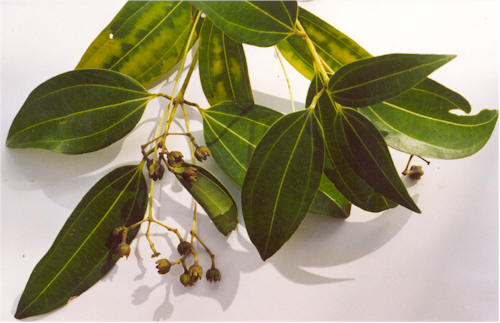

Twak is the dried inner bark of the cinnamon tree, rolled into slender quills and prized for its sweet, warming aroma. In classical Ayurveda it sits among the fragrant spices used to lend warmth and flavour to formulations and to support the digestive and respiratory passages.
- Botanical name
- Cinnamomum verum
- Family
- Lauraceae
- Sanskrit
- त्वक्
- Part used
- Stem bark (dried inner bark)
- Taste (rasa)
- pungent, bitter and sweet (katu, tikta, madhura)
- Quality (guna)
- light, dry and sharp (laghu, ruksha, tikshna)
- Energy (virya)
- Warming (ushna)
- After digestion (vipaka)
- pungent (katu)
- Action (karma)
- kindles and supports digestion, aromatic and warming (deepana, pachana)
- Best known for
- an aromatic warming bark used in classical spice groups
What is Twak?
Twak is the bark of the cinnamon tree, Cinnamomum verum, a member of the laurel family (Lauraceae). The part used is the stem bark, and more exactly the dried inner bark, which is peeled, dried and left to curl into the thin rolls, or quills, that most people recognise as cinnamon. The oil pressed from the tree and, less commonly, the leaves are also used.
The Sanskrit word twak (written त्वक् and also spelled tvak) means “bark” or “skin”, a plain description of the part that is used. The spice carries several other classical names, among them Daruchini, Daarusita, Varanga, Utkata and Choncha. In older texts the longer name daaruchini was common. Classical Ayurveda did not separate botanical species the way modern botany does, so the name Twak in an old verse may refer to Cinnamomum verum or to the closely related Cinnamomum cassia.
What Ayurveda uses it for
In classical Ayurveda Twak belongs to the family of fragrant, warming spices. Its best-known place is inside two small aromatic groups that appear again and again in the texts. The first is Trijataka, also called Trisugandhi, a trio of Twak, Ela (cardamom) and Patra (leaf). The second is Chaturjataka, a set of four that adds Nagakesara to the same three. These groupings were used to bring warmth, aroma and flavour to larger formulations.
The classical texts describe Twak as supportive of digestion and of the respiratory passages, and they prize it above all for its scent. The actions attributed to it include deepana and pachana, terms for kindling and supporting the digestive fire, along with grahi, an absorbent or binding quality, and varnya, a quality said to favour the complexion. All of this is set out here in neutral, educational terms, and not as a treatment for any named condition.
Its qualities, in plain words
Ayurveda reads every herb through a short set of qualities, and Twak has a clear and lively profile.
Its rasa, or taste, is threefold: pungent (katu), bitter (tikta) and sweet (madhura). You can taste all three in a piece of good cinnamon, the warm sweetness first, then a drier, sharper edge.
Its guna, or qualities, are light (laghu), dry (ruksha) and sharp or penetrating (tikshna). In plain terms it is a spice that does not sit heavily and that seems to reach into things, much as its aroma fills a room.
Its virya, the heating or cooling tendency, is warming (ushna). This is the heart of how the tradition understands cinnamon: a spice that carries warmth.
Its vipaka, the taste that remains after digestion, is pungent (katu).
Taken together, this warming and drying character is why the tradition describes Twak as settling for the heavier, cooler humours of Kapha and Vata, and as capable of raising Pitta if it is used in excess.
How it is taken
Twak is most often used as churna, a simple powder, and as one ingredient among many in compound powders and rasayana preparations. The volatile oil is also used, and the leaves less commonly.
It lends its warmth and aroma to several well-known classical formulations. It is a component of Sitopaladi Churna and Talisadi Churna, both aromatic powders, and of the Eladi group of preparations. It also names the small spice blends themselves: Chaturjataka churna and Trijataka, the Trisugandhi trio. In each of these the cinnamon is present in a small proportion, more as a warming, fragrant accent than as a bulk ingredient.
Because it is a heating spice, the tradition has always used Twak in modest quantities, whether in cooking or in a formulation. This entry does not give prescriptive amounts, as those would amount to medical guidance.
Good to know
Twak is a warming, aromatic spice, and the classical approach treats it as such: used in small culinary and formulation quantities rather than in large doses. Its heating quality is the reason for that restraint, and the reason it is usually one voice in a chorus of ingredients rather than a solo.
This entry describes the classical Ayurvedic understanding of the herb. It is not medical advice, and anyone with a health condition should speak to a qualified practitioner. This is especially worth remembering for anyone who is pregnant, taking medicines or living with a health condition, who should speak to a qualified practitioner before using it in concentrated or medicinal amounts.
Frequently asked
Is Twak the same as the cinnamon in my kitchen? Yes, it is the same bark. Twak is the Sanskrit name for cinnamon, the bark of Cinnamomum verum and its close relatives. Classical Ayurveda did not distinguish the modern botanical species, so old texts may include the closely related Cinnamomum cassia under the same name.
Why is Twak found in so many spice blends? It is one of the classic aromatics. Twak is a principal member of Trijataka (Twak, Ela and Patra) and Chaturjataka (those three plus Nagakesara), small groups used across many formulations to add warmth, aroma and flavour.
What does the name Twak mean? It means “bark” or “skin” in Sanskrit, a plain description of the part of the tree that is used. The spice also carries longer classical names such as Daruchini and Daarusita.
Cinnamon is described among the fragrant aromatics, grouped with cardamom and leaf as one of the warming spices.
After the Bhavaprakasha Nighantu, Karpuradi varga
Tvak, Ela and Patra are named together as the aromatic trio Trijataka.
After the Ashtanga Hridayam of Vagbhata
Cinnamon appears within the Eladi group of aromatic drugs.
After the Charaka Samhita and Sushruta Samhita
Frequently asked questions
What is Twak (cinnamon) used for in Ayurveda?
Twak is the fragrant bark of the cinnamon tree, Cinnamomum verum, valued in classical Ayurveda as a warming aromatic. Pungent, bitter and sweet, the texts class its action as deepana and pachana, meaning it kindles and supports digestion. It is a member of the well-known spice groups Trijataka and Chaturjataka used to flavour and warm formulas.
What are Trijataka and Chaturjataka?
Trijataka, the three aromatics, and Chaturjataka, the four aromatics, are classical spice groups. Trijataka is cinnamon bark, cardamom and cinnamon leaf; Chaturjataka adds Nagakeshara. Twak, the cinnamon bark, is a core member of both. Ayurveda uses these fragrant groups to warm formulas, aid digestion and lend a pleasant taste and aroma.
Is cinnamon good for digestion in Ayurveda?
Yes, Twak is classed as deepana and pachana, so the tradition uses it to kindle Agni and help digestion, especially where there is coldness and dullness. Warming and aromatic, it settles Kapha and Vata in the gut. It is used as a spice and within formulas rather than as a treatment for a named digestive disease.
How do you use Twak (cinnamon)?
Cinnamon bark is used as a warming culinary spice, in spiced teas and warm milk, and as part of classical aromatic formulas. A little of the powder or a small piece of bark is enough, since it is potent and heating. Use Cinnamomum verum, the true cinnamon of the Trijataka group, and keep the amount modest.
Who should use cinnamon carefully?
Because Twak is warming and pungent, those with high Pitta, acidity or a hot, inflamed gut should use it modestly. It is fine as a culinary spice for most people, but larger medicinal amounts in pregnancy or alongside medication are best checked with a qualified practitioner and your doctor. Keep to true cinnamon, Cinnamomum verum, in gentle amounts.
References
- Bhavaprakasha Nighantu, Karpuradi varga
- Ashtanga Hridayam of Vagbhata (Trijataka / Trisugandhi grouping)
- Charaka Samhita (Eladi group of aromatic drugs)
- Sushruta Samhita (Eladi group of aromatic drugs)