Materia Medica · Dravyaguna
Padmaka
Prunus cerasoides · Rosaceae
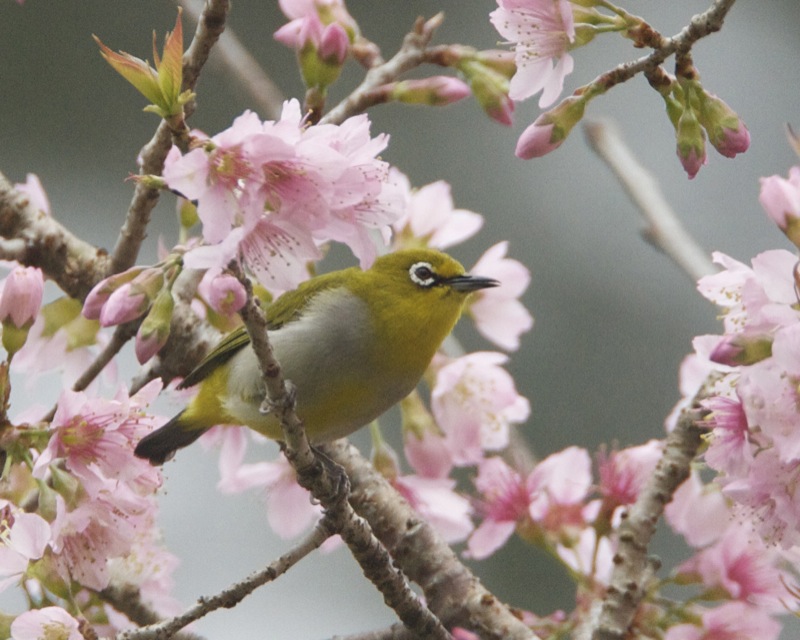

Padmaka is the fragrant heartwood of a wild cherry of the Himalayan foothills. Cool and sweet-scented, it is the wood the old texts turn to for a bleeding tendency, for burning and for a poor complexion.
- Botanical name
- Prunus cerasoides
- Family
- Rosaceae
- Sanskrit
- पद्मक
- Part used
- Heartwood
- Taste (rasa)
- Bitter, astringent and sweet (tikta, kashaya, madhura)
- Quality (guna)
- Light and unctuous (laghu, snigdha)
- Energy (virya)
- Cooling (shita)
- After digestion (vipaka)
- Pungent after digestion (katu)
- Action (karma)
- Improves the complexion, cleanses the blood and settles burning (varnya, raktaprasadana, dahaprashamana)
- Best known for
- Its cooling, fragrant heartwood for heat and a bleeding tendency
What is Padmaka?
Padmaka is the fragrant heartwood of a wild cherry, Prunus cerasoides, a tree of the Himalayan foothills that also carries the older botanical names Cerasus puddum and Prunus puddum. The tree, with its pale spring blossom, is a familiar sight across the northern hills. It is the dense, sweet-scented wood at its centre that Ayurveda values, cut and dried and then ground to a powder or worked into a paste.
The Sanskrit names carry the sense of it. Padmaka is read in connection with the lotus, padma, and the tree’s soft, pale flowering was long tied to that image. The wood is also called Padmakashtha, plainly the “Padmaka wood”, and Pitarakta, a name that points to the reddish colour of the heartwood. In English it is usually called the wild Himalayan cherry, or bird cherry, and in the hills simply Padam.
What Ayurveda uses it for
Padmaka is one of the cooling woods of the tradition, and the texts place it among the substances that settle heat and steady a bleeding tendency. Its foremost classical home is Raktapitta, a bleeding disorder in which the blood is understood to run hot and unsettled, and Padmaka is named among the herbs reached for in that state. From that role follow its two allied actions: it is a raktaprasadana wood, one that cleanses and settles the blood in the classical sense, and a dahaprashamana wood, one that quiets burning.
Within that role the dravyaguna texts describe the heartwood as traditionally indicated in a familiar set of conditions, each named here in its classical Sanskrit term with a plain gloss:
- Raktapitta: a classical bleeding tendency, the wood’s foremost use.
- Daha: a burning sensation, settled by its cooling nature.
- Trishna: excessive thirst, where its cool, sweet quality is called upon.
- Chardi: nausea, listed among its classical uses.
- Kushtha: the broad class of skin disorders.
- Vaivarnya: a poor complexion, which its varnya action was held to improve.
- Jwara: fever, given its heat-settling nature.
- Garbhini care: it is named among the herbs used supportively in pregnancy.
These are the traditional textual indications recorded in the classical literature. They set out how Ayurveda has long understood the herb and are given for reference and study, not as statements of medical effect or as advice to treat any condition.
The wood is valued too as a varnya substance, one the tradition connects with an improved, clearer complexion, and on that account it appears in the cooling pastes laid on the skin.
Its qualities, in plain words
A short list of qualities explains why Padmaka is used the way it is.
Its taste is bitter and astringent, with a sweet note behind them, the flavours Ayurveda ties to cooling and clearing rather than to heating. It is light and unctuous, so it settles and soothes without weighing the body down. Above all it is cooling, the quality the texts return to, which is why it suits hot, bleeding and irritated states and the fiery quality of Pitta. And it finishes pungent after digestion. Put together, these qualities describe a cool, sweet, fragrant wood with a liking for the blood and the skin, which is why the tradition settles most firmly on its Pitta-cooling and blood-settling actions. Being cool and light, it is held to pacify both Pitta and Kapha.
How it is taken
Padmaka is used both on the outside of the body and within. As a lepa, the wood is ground to a smooth, cool paste and laid on hot or irritated skin, the same direct use the tradition gives to the other cooling woods, part remedy and part cosmetic. For the complexion it is one of the woods worked into the classical varnya pastes.
Taken inwardly, the fine powder, or churna, is stirred into cool liquids or set into named preparations, often beside other cooling companions such as Chandana. It is a component of the classical Chandanadi and Ushirasava-type cooling formulas and of the medicated ghees turned to for heat and a bleeding tendency, and it lends its cool, fragrant note to a range of blood-settling preparations.
Good to know
Padmaka belongs to the cooling, settling side of Ayurveda rather than the warming, building side, and it is turned to chiefly for heat, for a bleeding tendency and for the complexion. Because it is so distinctly cooling, the tradition favours it in warm states and warm seasons and is more careful with it in cold, damp conditions. Its fragrance is part of its value, and a wood that has lost its scent was held to have lost its strength.
This entry describes the classical Ayurvedic understanding of the herb. It is not medical advice, and anyone with a health condition should speak to a qualified practitioner.
Frequently asked
Why is it named after the lotus? The name Padmaka is read in connection with padma, the lotus, a link the tradition drew from the tree’s soft, pale flowering. The plainer name Padmakashtha simply means the “Padmaka wood”, and Pitarakta points to the reddish colour of the heartwood itself.
Which part of the tree is used? The heartwood, the dense, fragrant wood at the centre of the tree. It is dried and then ground to a powder or a paste, and it is this heartwood that is named in nearly all of the wood’s classical preparations.
Why is it grouped with the cooling herbs? Because that is the quality the classical writers stress. Padmaka is a cool, sweet-scented wood counted among the substances that settle heat and a bleeding tendency, and it is reached for wherever there is burning, a bleeding tendency or a poor complexion.
The fragrant wood of Padmaka is cool and sweet; it clears the blood, settles burning and steadies a bleeding tendency.
After the Bhavaprakasha Nighantu, on the fragrant cooling woods
Padmaka is counted among the substances that cool the blood and improve the complexion.
After the Sushruta Samhita, on the blood-cooling herbs
Frequently asked questions
What is Padmaka used for in Ayurveda?
Padmaka is the fragrant heartwood of the wild Himalayan cherry (Prunus cerasoides), a cooling wood Ayurveda names for a bleeding tendency and for burning heat. The tradition classes it as varnya, raktaprasadana and dahaprashamana, so it improves the complexion, cleanses the blood and settles burning. Its bitter, astringent and sweet tastes make it a cooling remedy for heat.
Is Padmaka good for heat and a bleeding tendency?
Yes, Padmaka is best known for its cooling, fragrant heartwood used for heat and a bleeding tendency. Ayurveda classes it as raktaprasadana, cleansing the blood, and dahaprashamana, settling burning, which suits Pitta-driven heat and Raktapitta-type bleeding tendencies. Its cooling, sweet-and-astringent nature calms these states. For any persistent bleeding or burning complaint, consult a qualified Ayurvedic practitioner.
Is Padmaka good for the skin and complexion?
Yes, alongside its cooling action Padmaka is classed as varnya, a substance that improves the complexion, and as raktaprasadana, which cleanses the blood, an action Ayurveda closely links to clear skin. Its cooling, astringent heartwood suits heated, irritated skin. It appears in classical preparations for the complexion, and is best used within a proper Ayurvedic approach.
What part of Padmaka is used?
The part used is the fragrant heartwood of the wild Himalayan cherry, sometimes called Padmakashtha, the wood of Padmaka. This cooling, aromatic wood carries the herb's varnya, raktaprasadana and dahaprashamana qualities. It is worked into classical decoctions and preparations rather than used as a leaf or fruit, which is why the heartwood is what the texts specify.
Which dosha does Padmaka balance?
Padmaka mainly settles Pitta. Its cooling nature, sweet and astringent tastes, and its blood-cleansing, burning-settling actions are all directed at the heat of Pitta and at Raktapitta, the Pitta-and-blood bleeding tendency. Being cooling and somewhat drying, it is used thoughtfully where Vata or cold predominates, and suits heated, Pitta-type states best.
References
- Charaka Samhita, Sutrasthana, among the substances that settle heat and a bleeding tendency (Raktapitta).
- Sushruta Samhita, among the cooling woods for the skin and the blood.
- Bhavaprakasha Nighantu, Karpuradi Varga, entry on Padmaka with its synonyms and properties.
- Raja Nighantu, listing the Sanskrit synonyms of Padmaka, including Padmakashtha and Pitarakta.